News / What a printed pillow tolerates, when to replace it
What a printed pillow tolerates, when to replace it
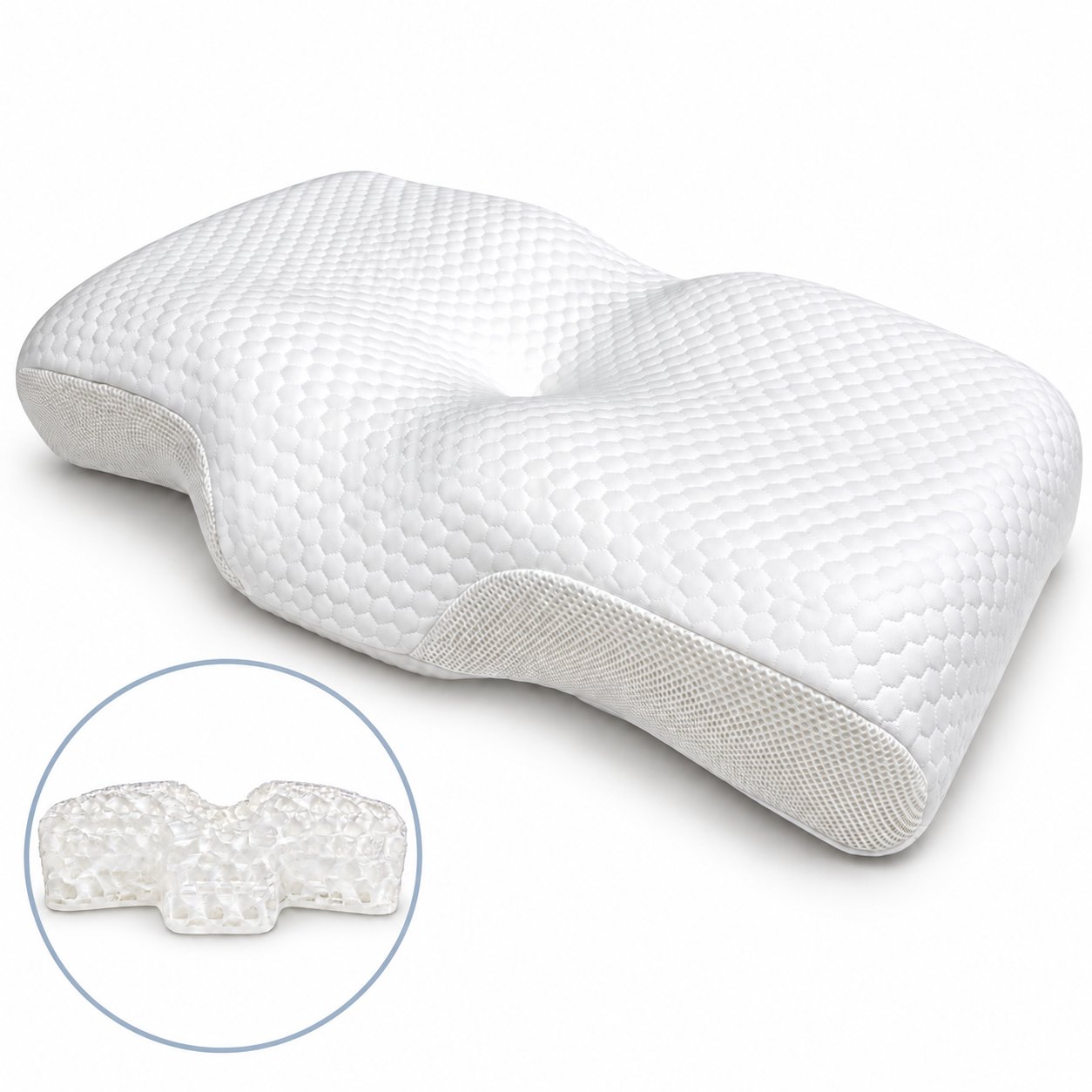
A pillow is the one thing you use for a third of your life without looking at it. It also collects more than anything else in the bedroom: skin, hair, and everything that comes off them overnight. Both facts argue for knowing what the material tolerates and when the shape has stopped doing its job.
What a printed TPU pillow tolerates
Printed TPU is elastic, holds its geometry, and does not soak up water the way foam does. It tolerates cool or lukewarm water and mild soap. It does not tolerate heat: a radiator, a hot wash or a tumble dryer will soften thin sections enough to change the shape for good.
Washing without distorting it
Rinse the surface under lukewarm water, work mild soap through the open structure with your hands, and rinse again. Press the water out instead of wringing it. Dry it in the air, on a rack, out of direct sun, and give it a full day: water held inside a closed area takes much longer to leave than the surface suggests.
Signs the support has changed
Notice whether the pillow still holds the height you chose. If the neck area has taken a permanent dip, or the edges have softened so that the pillow spreads wider than it used to, the structure has changed. A pillow that has to be folded or punched back into shape every night is telling you the geometry is gone.
The cover does most of the daily work
Wash the cover weekly and the pillow itself far less often. Most of what reaches the pillow is caught by the cover, and every wash is a small amount of wear on the structure underneath.
Matching the height, not the habit
Sleeping position decides the height you need: side sleepers generally need more height between shoulder and head than back sleepers, and stomach sleepers need the least. If your sleep position has changed since you chose the pillow, the height that was right then may no longer be right now.
At a glance
- Category
- Pillows (5 products)
- Price range
- $56.99 – $199.99 USD
- Colour options
- up to 3
Where to go next
- 3D Printed Pillow -- Nine-Zone Ergonomic Pillowpillows
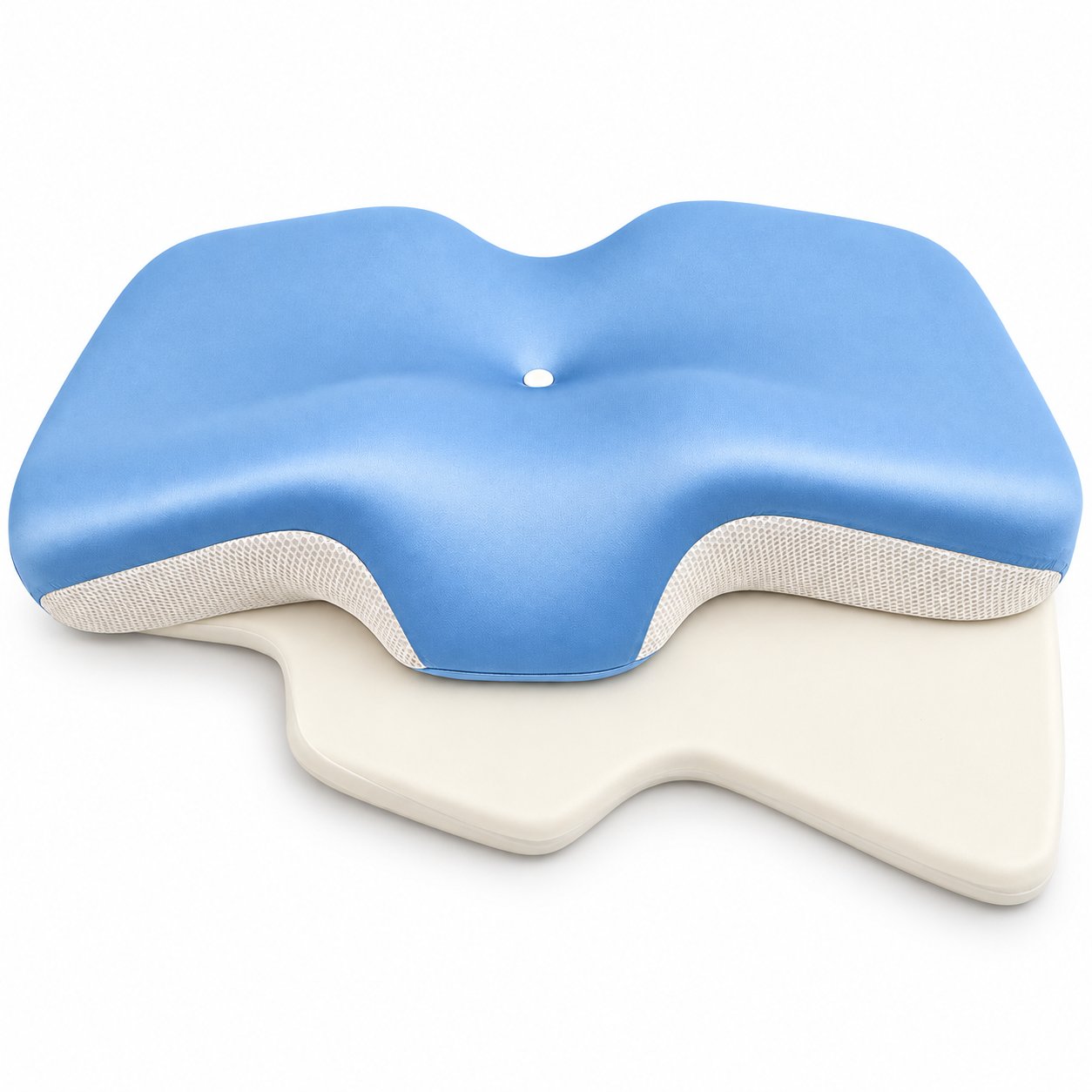 Adjustable Cervical Memory Foam Pillowpillows
 DREAMCELL PILLOWpillows
XIANKU · Prices in USD · Shop all · About XIANKU · Shipping · FAQ · Contact · Privacy · Terms · Business