News / How a backpack's weight should sit
How a backpack's weight should sit
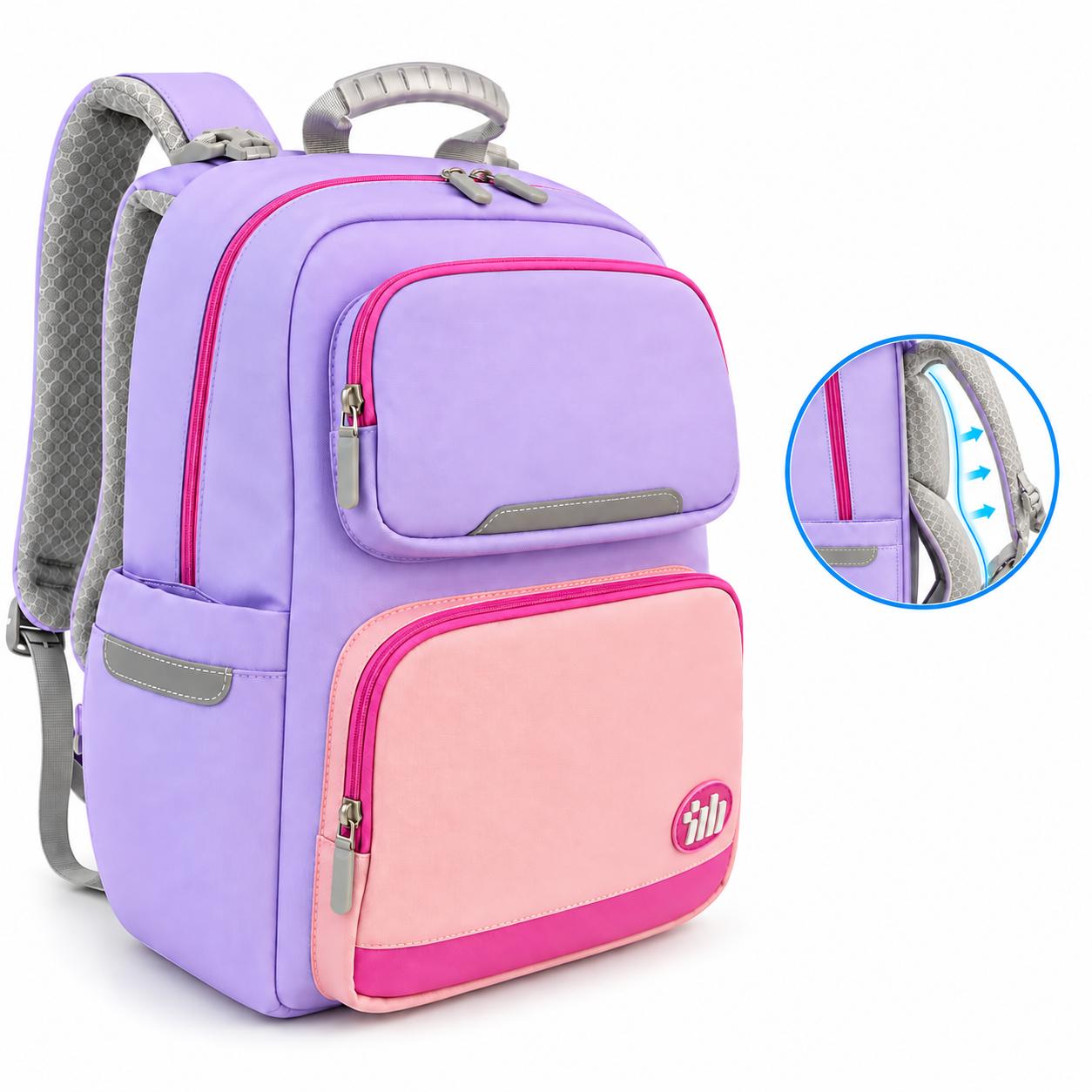
A loaded backpack pulls backward, and your body answers by leaning forward. The further the load sits from your spine, the harder that answer has to be. Almost everything about carrying comfort comes down to where the weight is, not how much of it there is.
Keep the load close to your back
Pack the heaviest items against the back panel and around the middle of the pack's height, not at the bottom and not at the top. A dense item at the bottom pulls the pack down and away from the shoulders; at the top it tips you forward. In the middle, flat against your back, it moves with you instead of against you.
The shoulder straps carry less than people assume
Shoulder straps hold the pack against your back and steer it. They are not designed to take the whole load. A hip belt transfers weight to the pelvis, which is built to carry it. Tighten the hip belt first, then set the shoulder straps so they sit flat without pulling down, then adjust the load lifters at the top of the pack.
Fitting a shorter or taller torso
Torso length decides where the top of the pack sits. The top should be roughly level with the base of your neck, and the hip belt should wrap the top of the pelvis rather than the waist. If the belt sits above the hip bones it will ride up all day; if the top of the pack rises above your shoulders, the torso setting is too long for you.
Children need their own setting
A child's torso grows faster than their height suggests, so a smaller adult setting is not a substitute for a child's fit. Set the pack on the child, loaded, rather than on an adult's estimate, and check the shoulder and hip positions again at the start of each school term. A pack that fitted in September can sit high by spring.
The test walk
Load the pack the way you will actually use it and walk for ten minutes before deciding. Most fitting problems only appear once the pack is moving, and they are far easier to fix at home than three streets from it.
At a glance
- Category
- Backpacks (5 products)
- Price range
- $99.99 – $239.00 USD
- Colour options
- up to 3
Where to go next
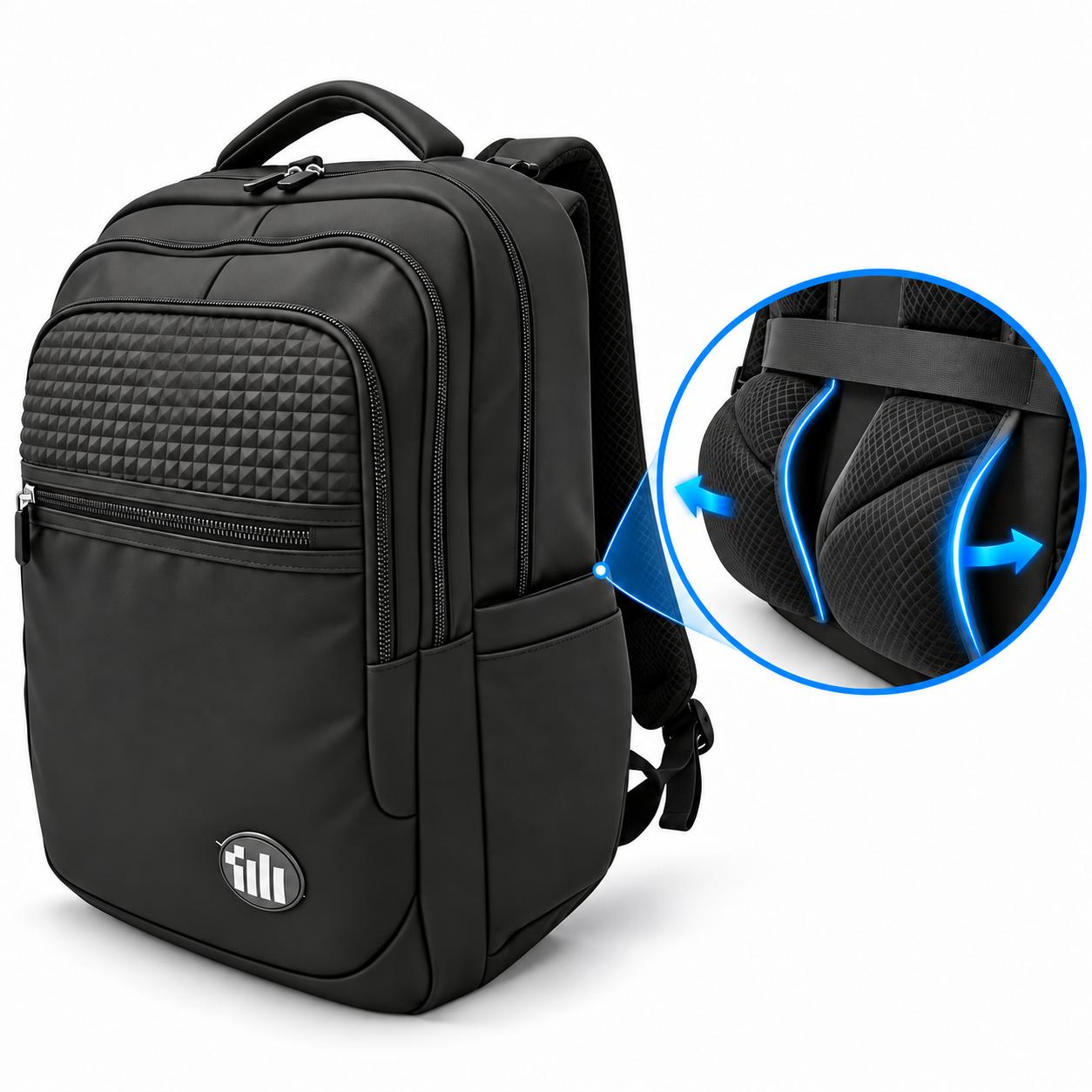 Ergonomic Backpack
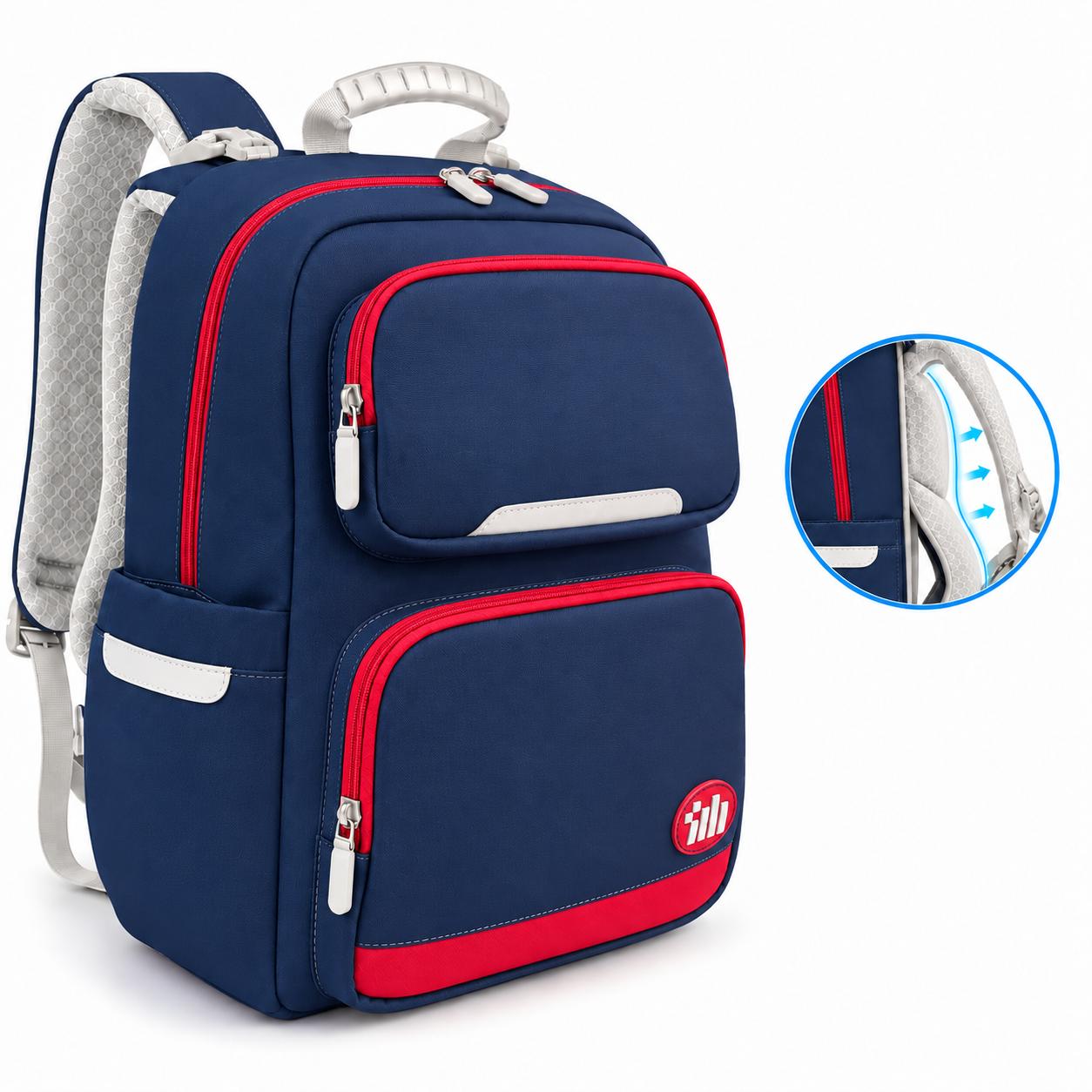 Ergonomic Kids School Backpack
XIANKU · Prices in USD · Shop all · About XIANKU · Shipping · FAQ · Contact · Privacy · Terms · Business