News / Pillow height, sleep position, and your neck at night
Pillow height, sleep position, and your neck at night
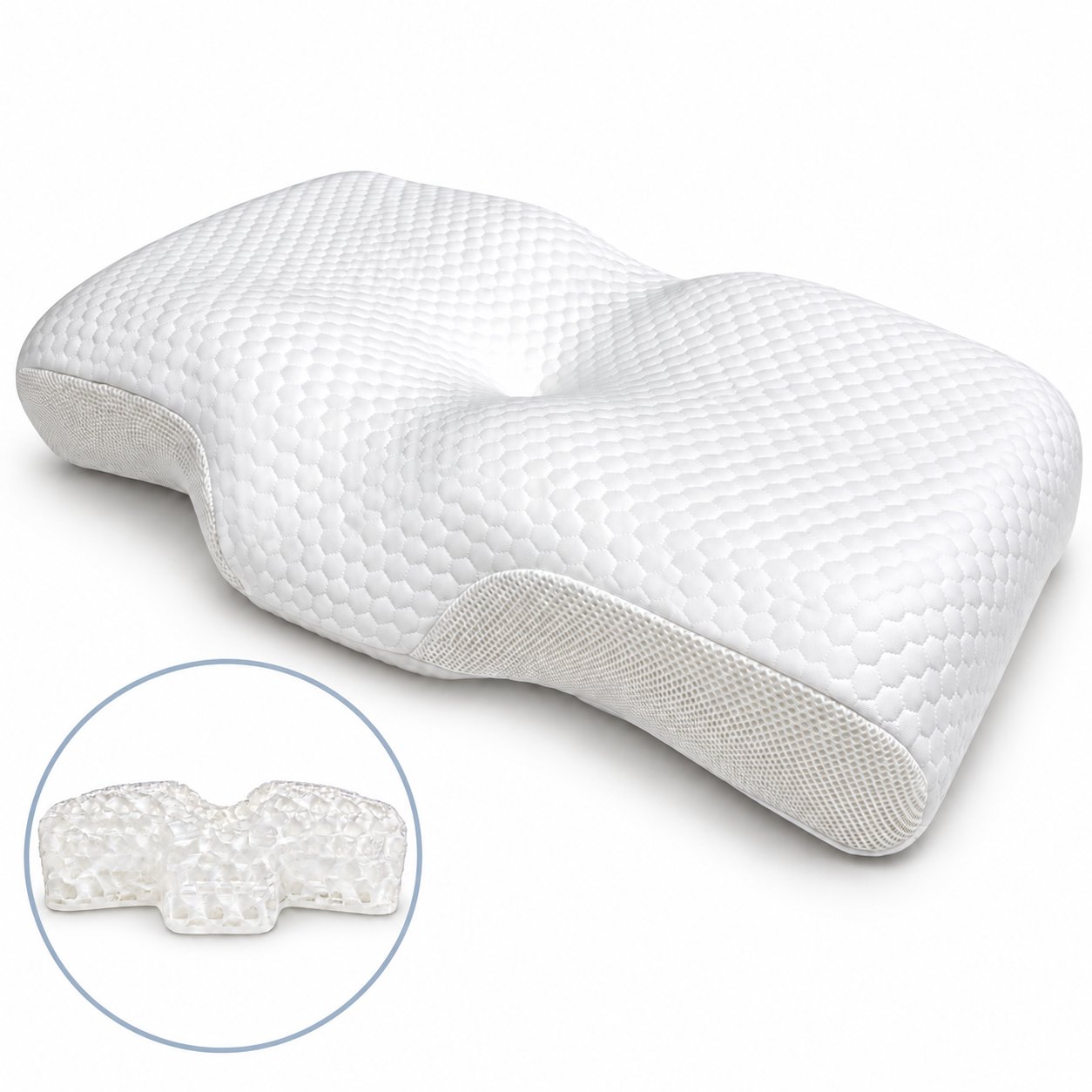
A pillow has one job that matters more than its filling, its cover or its brand: it holds the head at a height that keeps the neck roughly in line with the rest of the spine. Too low and the neck tips back; too high and the chin is pushed toward the chest. Both are held for hours, which is why a small error in height is felt more than a large error in softness.
Height is the variable that matters most
Softness changes how a pillow feels in the first minute. Height changes how the neck feels at seven in the morning. Most people shopping for a pillow compare firmness and never measure height, then wonder why a well-reviewed pillow does not work for them.
Back sleepers and side sleepers need different heights
A back sleeper needs less height, because the space between the mattress and the back of the head is small. A side sleeper needs more, because the shoulder creates a gap that the pillow has to fill, or the neck bends sideways to close it. Anyone who changes position during the night needs a pillow that works at both heights rather than an average of the two, which is why a single-height pillow often feels right for one half of the night.
Why the surface is divided into zones
A head is round and heavy; a neck is narrower and needs support rather than cushioning; shoulders sit lower and further out. A nine-zone design puts different support heights and firmness levels under each of those areas in one continuous surface, so the head sinks into the middle while the neck is held up at the edge and the shoulder area is lower still. The alternative — a flat pillow — asks one surface to do all three jobs, and it does the heaviest one.
Adjusting instead of guessing
The most useful feature on a pillow is the ability to change its height after you have slept on it for a week. Inserts of about two centimetres let you add or remove height in steps, so the fit is chosen from experience rather than from a chart. Start at the height the pillow guide suggests for your body and sleep position, then adjust once you know how it feels on the fifth night rather than the first.
Printed cores and memory foam: two ways to solve the same problem
A printed lattice core is mostly air. It holds its shape without compacting, air moves through it, and the zones are printed into the structure rather than cut from foam.
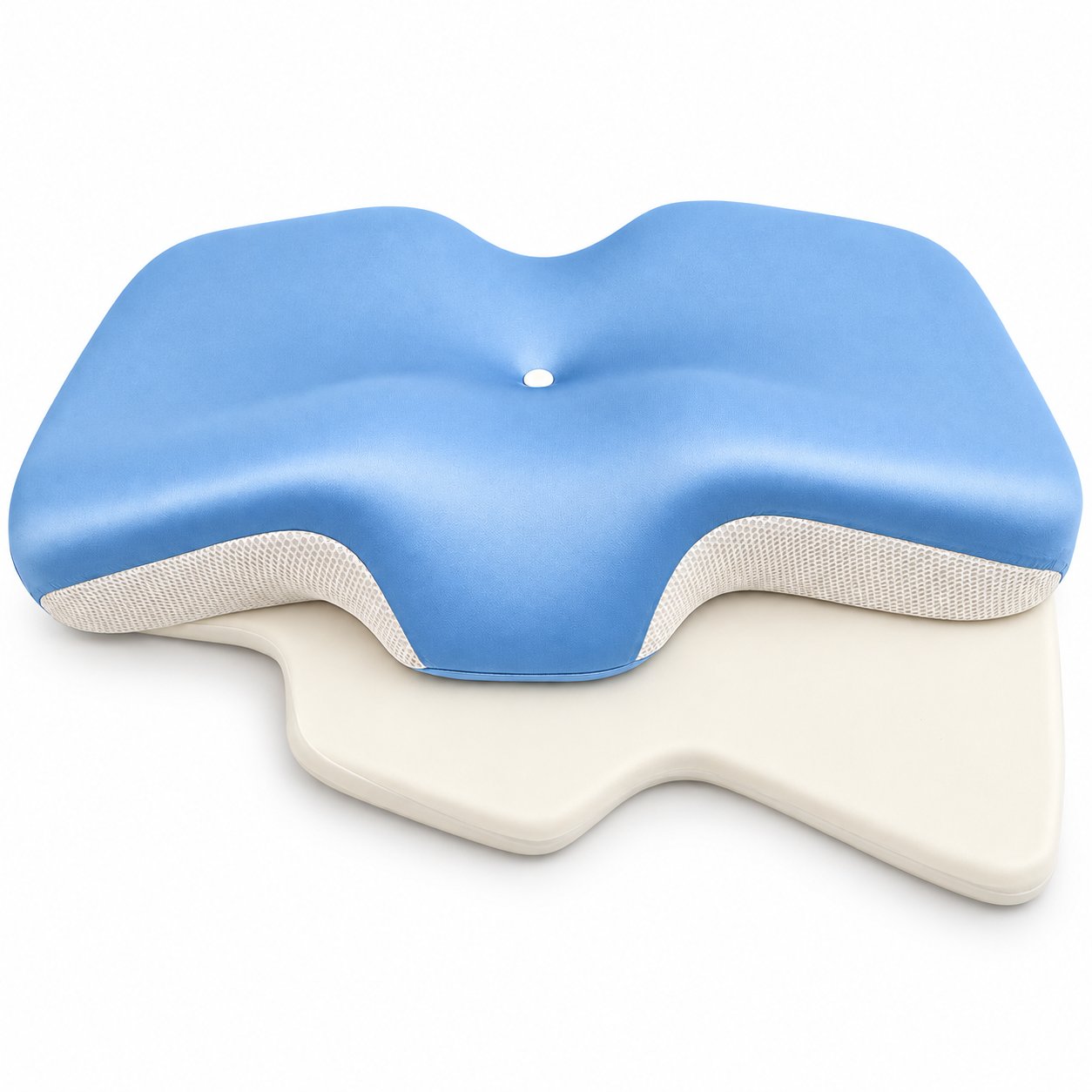
Slow-rebound memory foam conforms to the head and neck and recovers slowly, which some sleepers read as support and others as sinking.
Both approaches accept inserts and both come with a removable cover, which matters more than it sounds: a pillow that cannot be washed is a pillow that gets replaced for the wrong reason.
When to change the height again
Three things shift the right height: a change in sleep position, a change in mattress firmness, and a change in body weight. None of them require a new pillow if the one you have can be adjusted — they require five minutes with the inserts. If a pillow has stopped holding its shape, though, no adjustment fixes that, and it is time to replace the core.
What none of this does is diagnose anything. A pillow changes how a night feels; persistent neck pain is a question for a clinician, and the right pillow is a comfort decision, not a treatment.
At a glance
- Category
- Pillows (5 products)
- Price range
- $56.99 – $199.99 USD
- Colour options
- up to 3
Where to go next
- 3D Printed Pillow -- Nine-Zone Ergonomic Pillowpillows
 Adjustable Cervical Memory Foam Pillowpillows
 DREAMCELL PILLOWpillows
XIANKU · Prices in USD · Shop all · About XIANKU · Shipping · FAQ · Contact · Privacy · Terms · Business