News / How to measure your feet at home, in millimetres
How to measure your feet at home, in millimetres
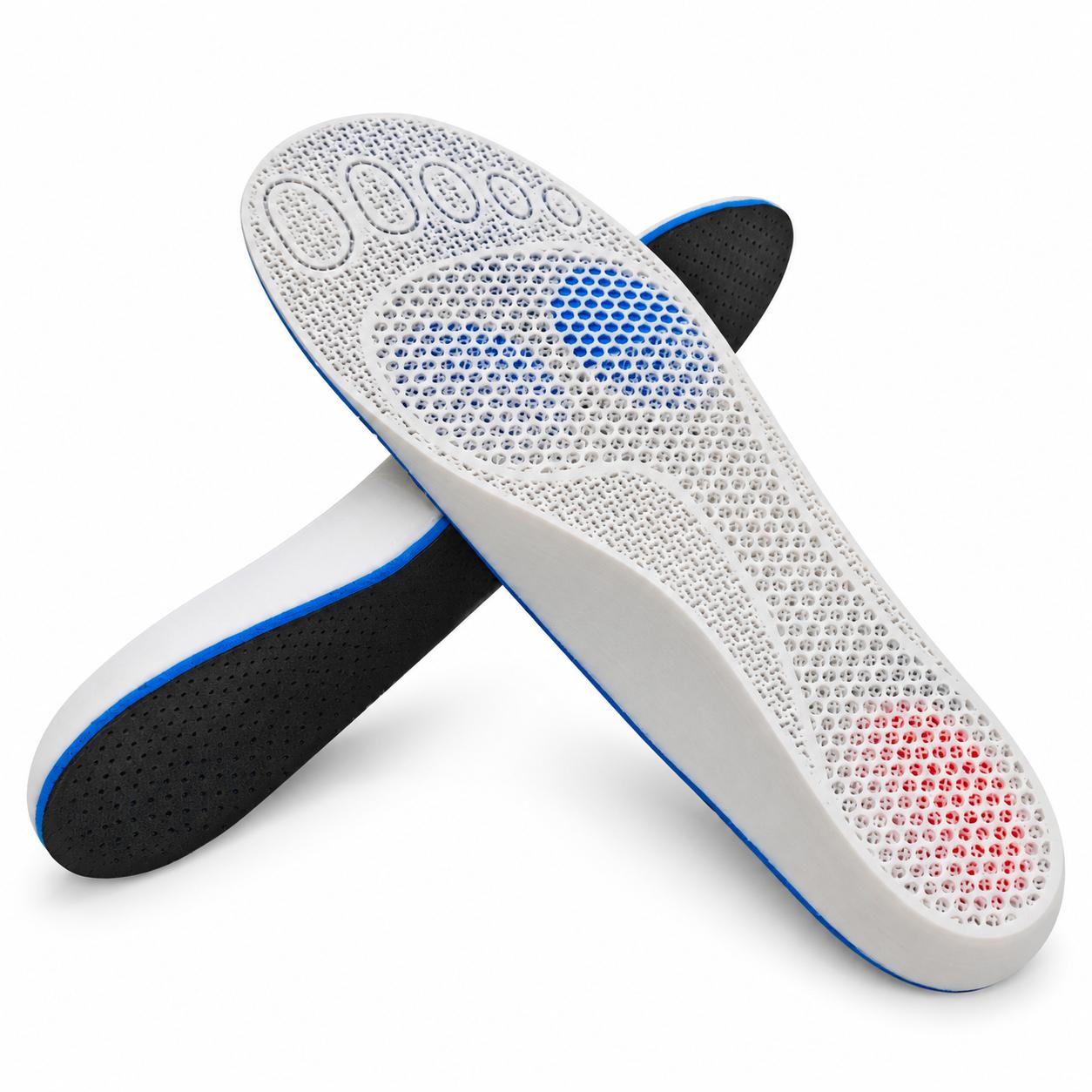
Most fit problems do not start at the factory. They start on a sheet of paper at home, where a foot is measured once, quickly, while sitting down — and the number that reaches the order is a centimetre or two short. Made-to-order products are built from that number, so it is worth getting right.
Why millimetres instead of a shoe size
A shoe size is a label, and labels are not standardised across brands. A EU 42 from one maker can fit differently from a EU 42 from another, and the same size means different things in UK, US and JP charts. A length in millimetres is a measurement of your foot rather than a description of someone else's last. That is why every product page here carries a millimetre-to-size table: you give the number, the page fills in the size.
What you need
A sheet of paper longer than your foot
A pencil held upright, not tilted
A ruler with millimetre markings
A flat, hard floor and a wall you can stand against
Carpet is the most common source of error. A foot sinks into pile by a few millimetres, and a few millimetres is enough to change a size row.
Measure standing, not sitting
Standing puts your body weight through the foot, and a loaded foot is longer and slightly wider than an unloaded one. Place the paper against the wall, stand on it with your heel touching the wall, and let your weight settle before you mark anything. Mark the tip of the longest toe — for many people that is the second toe, not the big toe. Measure the distance from the wall edge to the mark.
Measure both feet, and use the longer one
Almost nobody has two identical feet. One is usually a few millimetres longer. Measure both and order for the longer foot; a product built to the shorter one will press at the toe on the other side.
Width, when the product asks for it
Some products offer a width choice alongside length. Width is measured across the widest part of the ball of the foot, again standing. If a product does not ask for width, it does not need it — the lattice structure tolerates more variation across the foot than a rigid shell does.
Four mistakes that quietly shift the number
Measuring in socks that are thicker than what you will wear with the product
Holding the pencil at an angle, which adds a millimetre or two
Measuring in the evening after a full day of standing, when feet are at their largest, then wearing the product in the morning
Reading the ruler from the side instead of looking straight down at the markings
What happens once you enter it
The number goes into the order and is matched against the size table for that product. Nothing else is required: there is no conversion step and no separate sizing call. If the figure lands between two rows, the product page shows both and you choose; a printed lattice flexes, so a little room is easier to live with than pressure at the toe.
If you already own a pair that fits well, put them on the paper and mark where the toe sits inside them. The difference between that mark and the paper edge is the allowance you are used to — a useful cross-check against a fresh measurement.
At a glance
- Category
- Footwear (8 products)
- Price range
- $129.99 – $249.00 USD
- Foot length covered
- 220–295 mm (EU35–EU46)
- Colour options
- up to 8
Where to go next
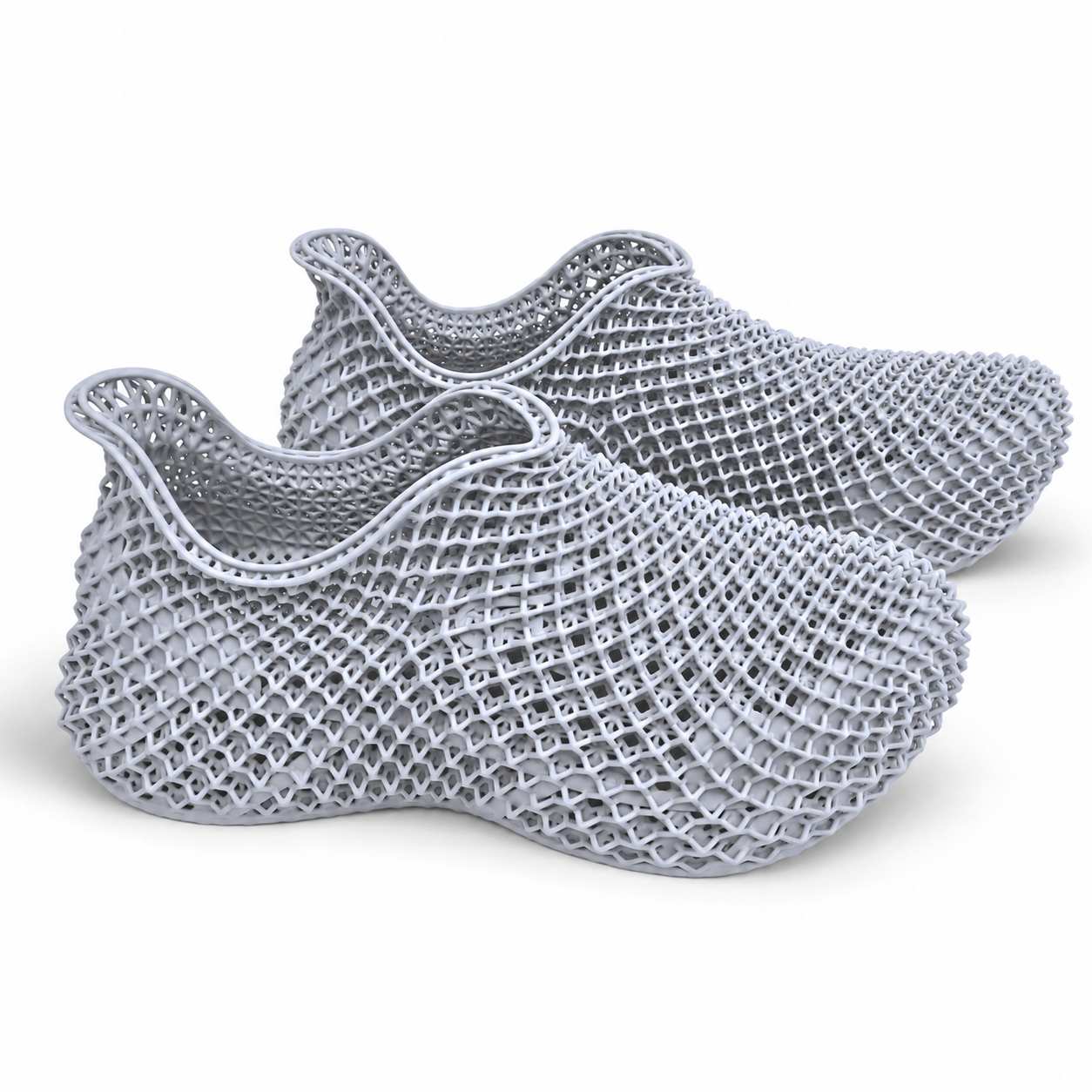 3D Printed Shoes - Next Realm Seriesshoes
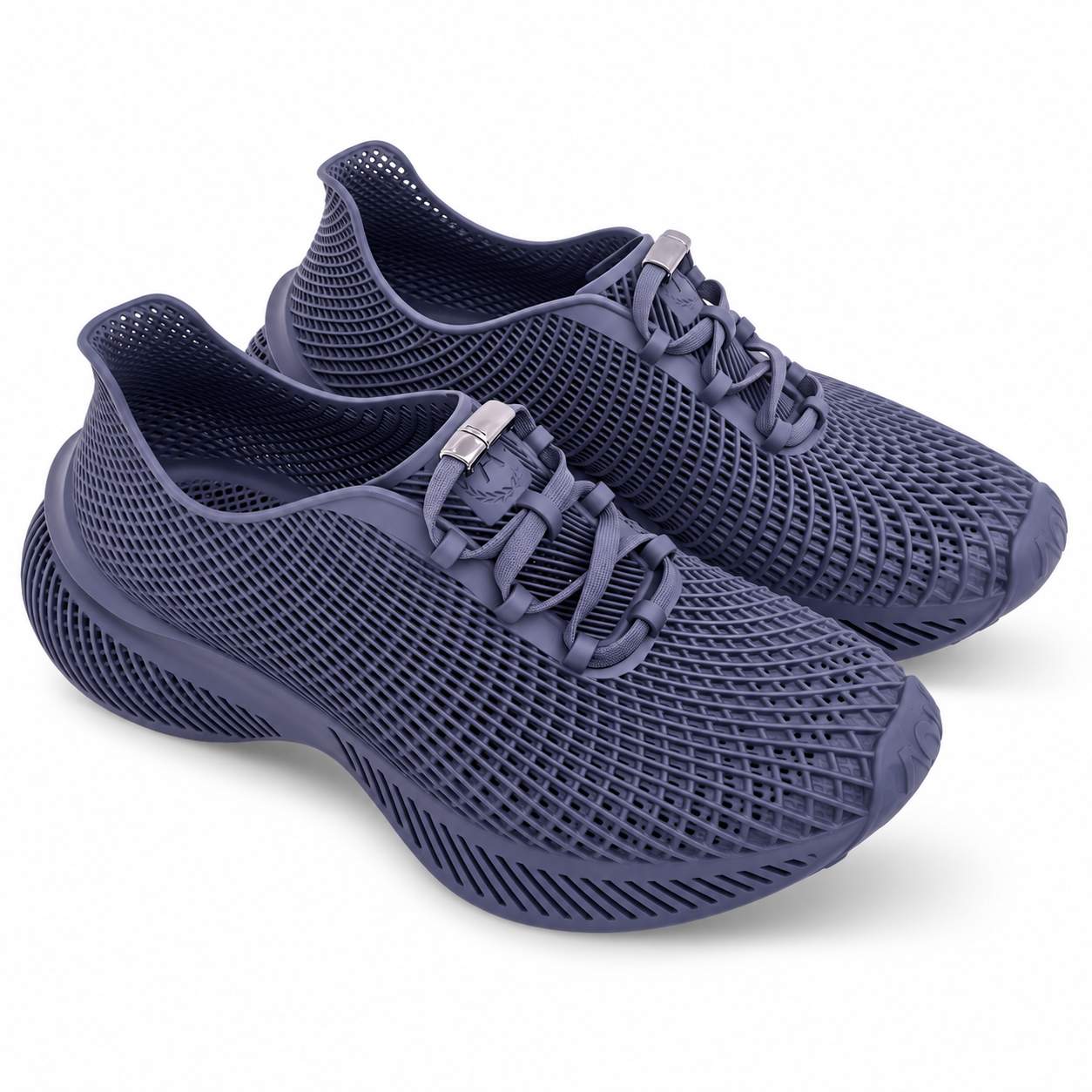 3D Printed Shoes - Elsewhere Seriesshoes
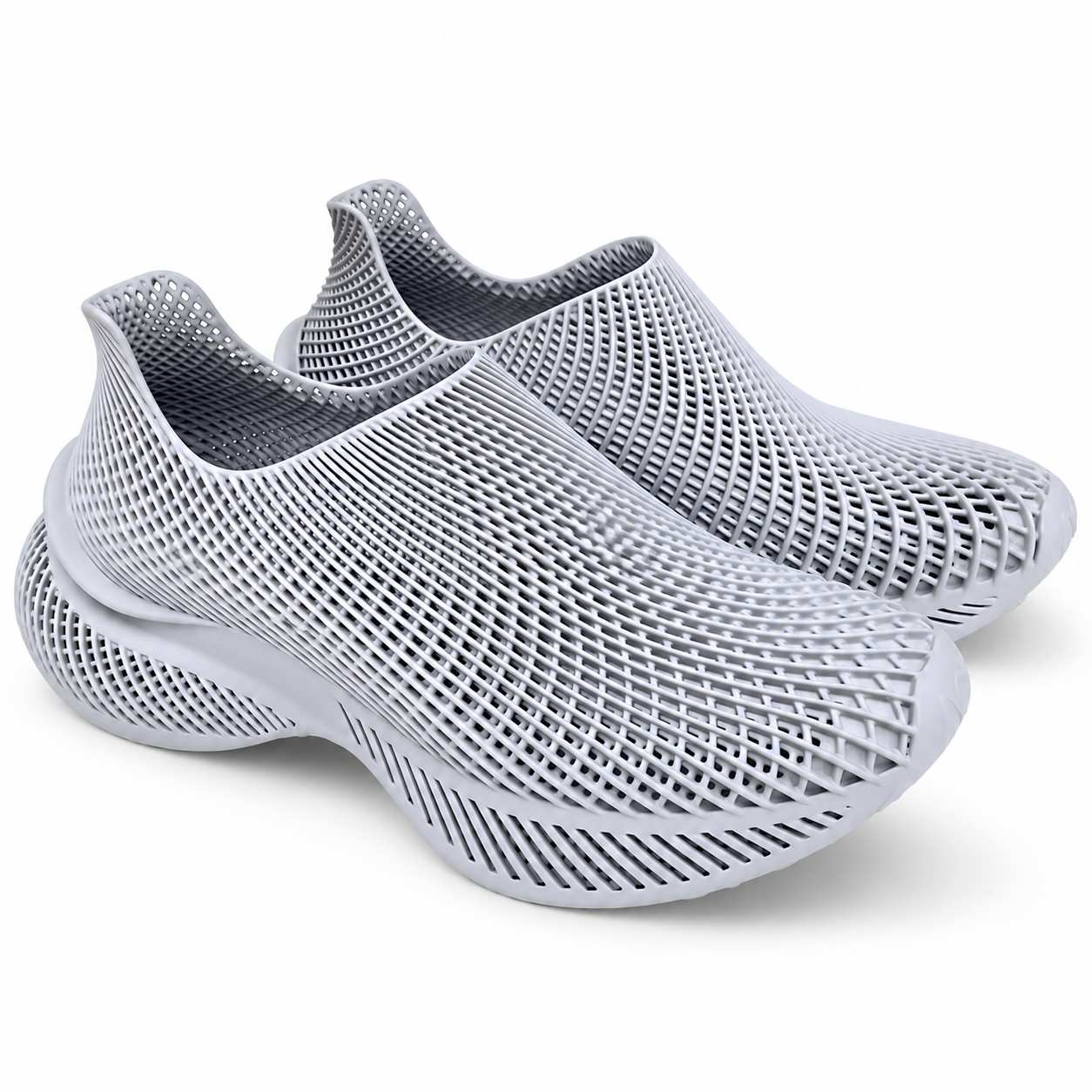 3D Printed Shoes - Unbound Seriesshoes
XIANKU · Prices in USD · Shop all · About XIANKU · Shipping · FAQ · Contact · Privacy · Terms · Business